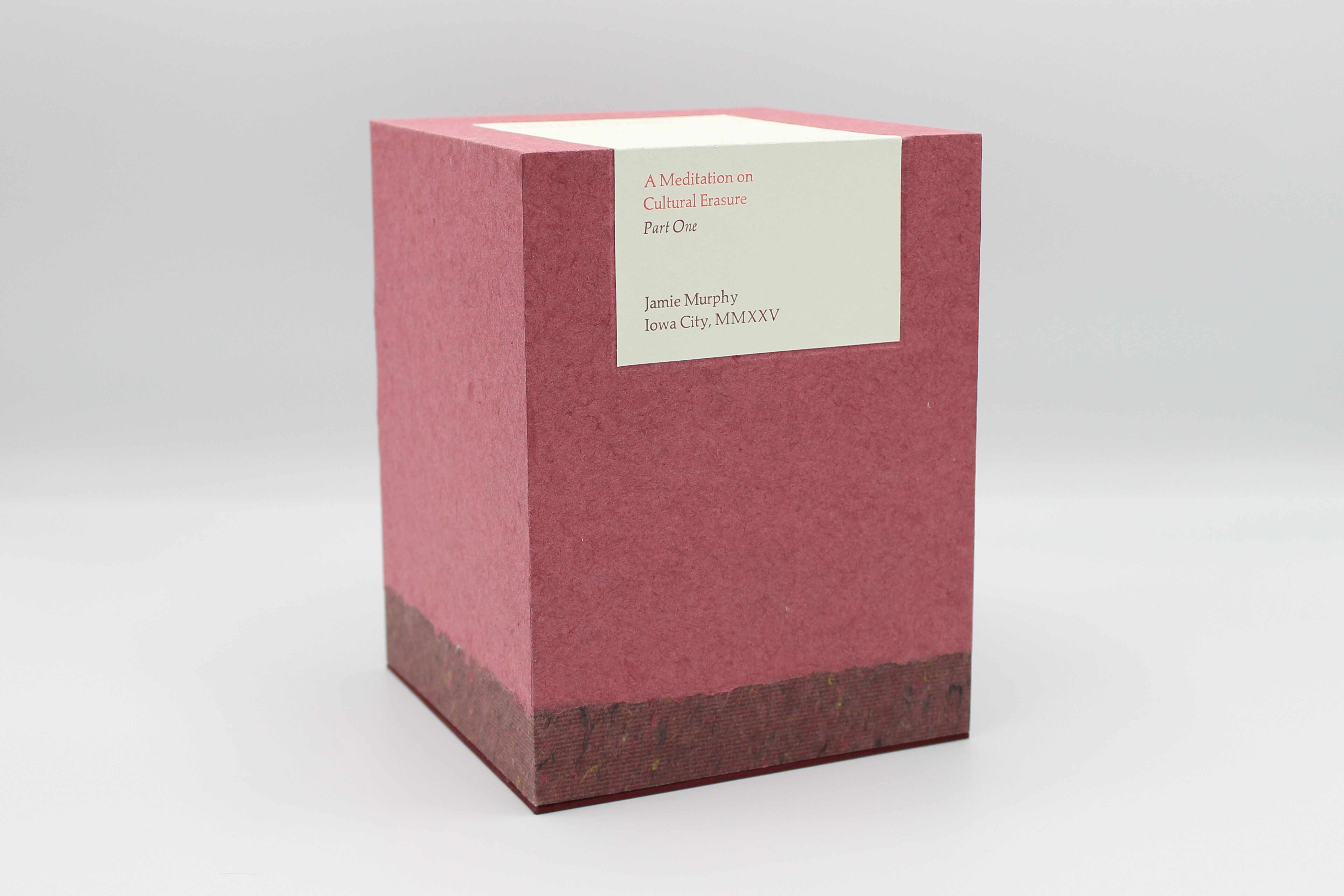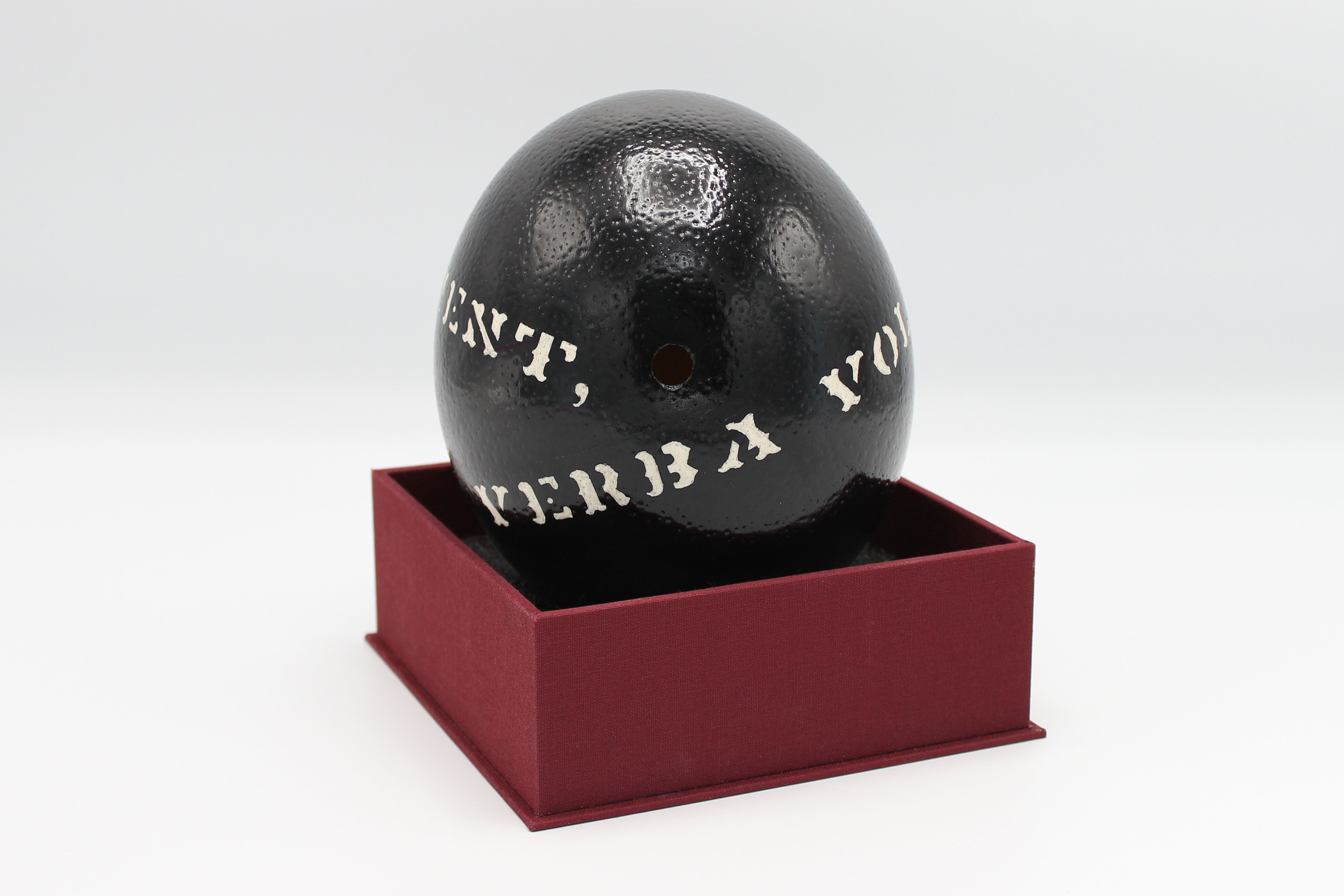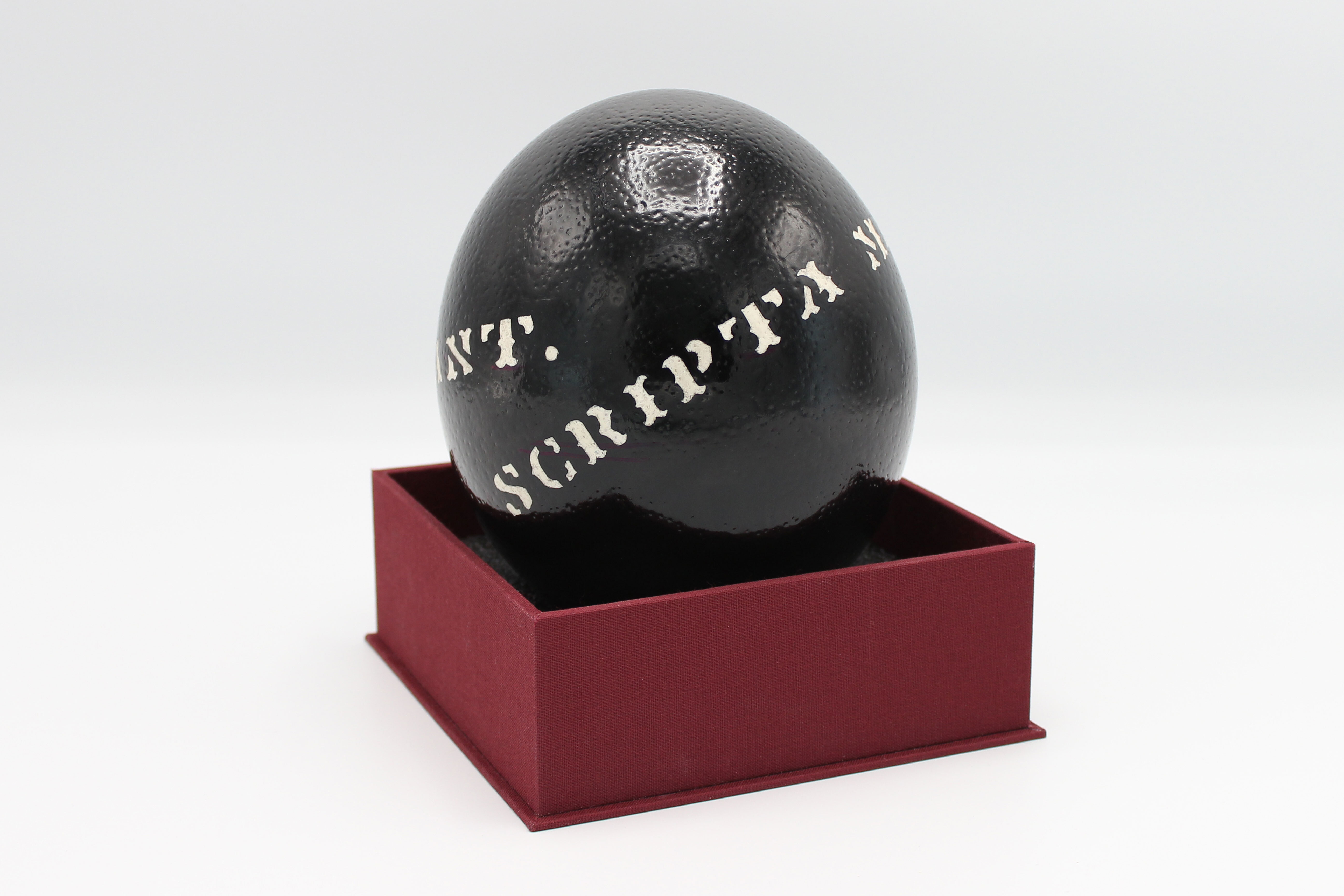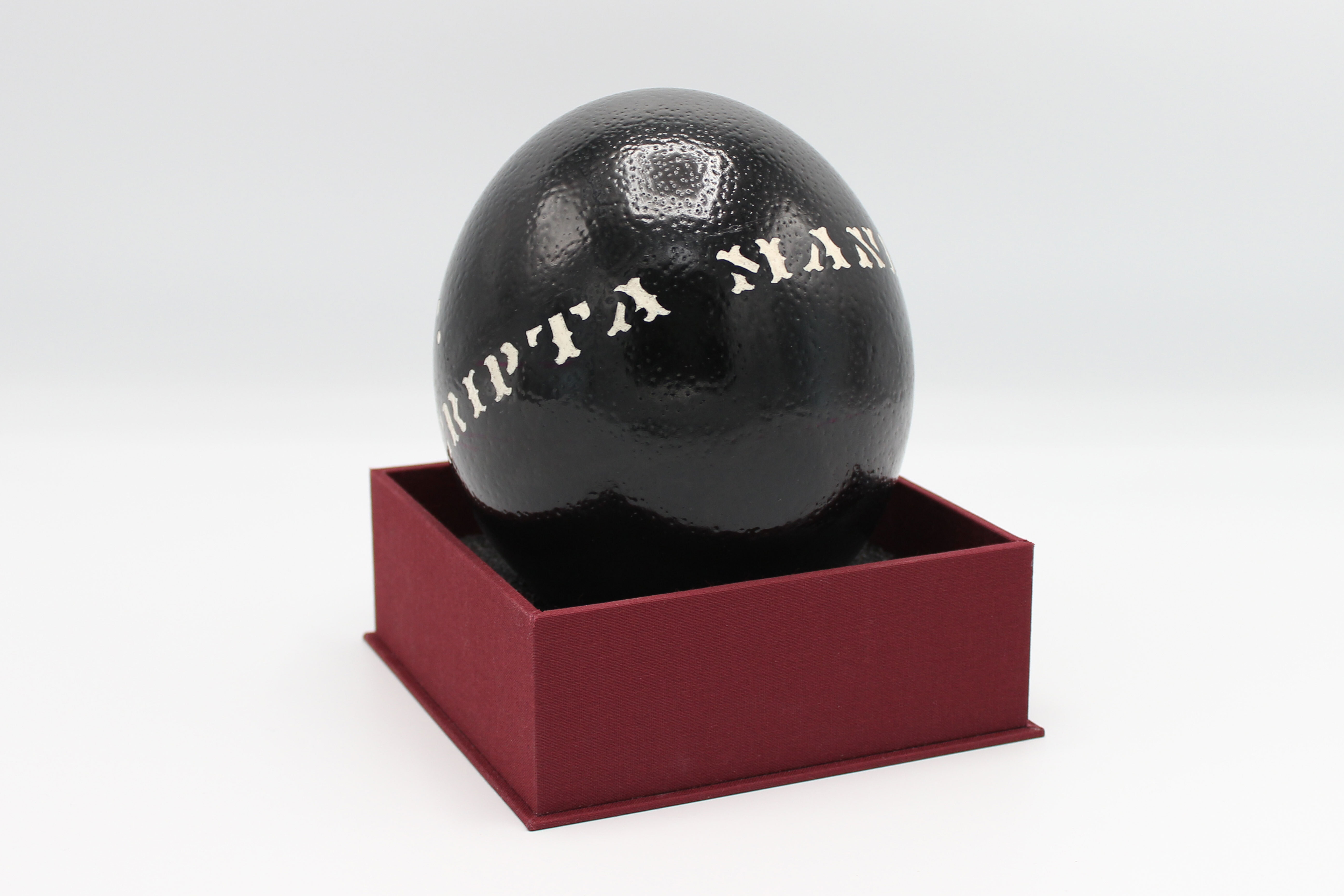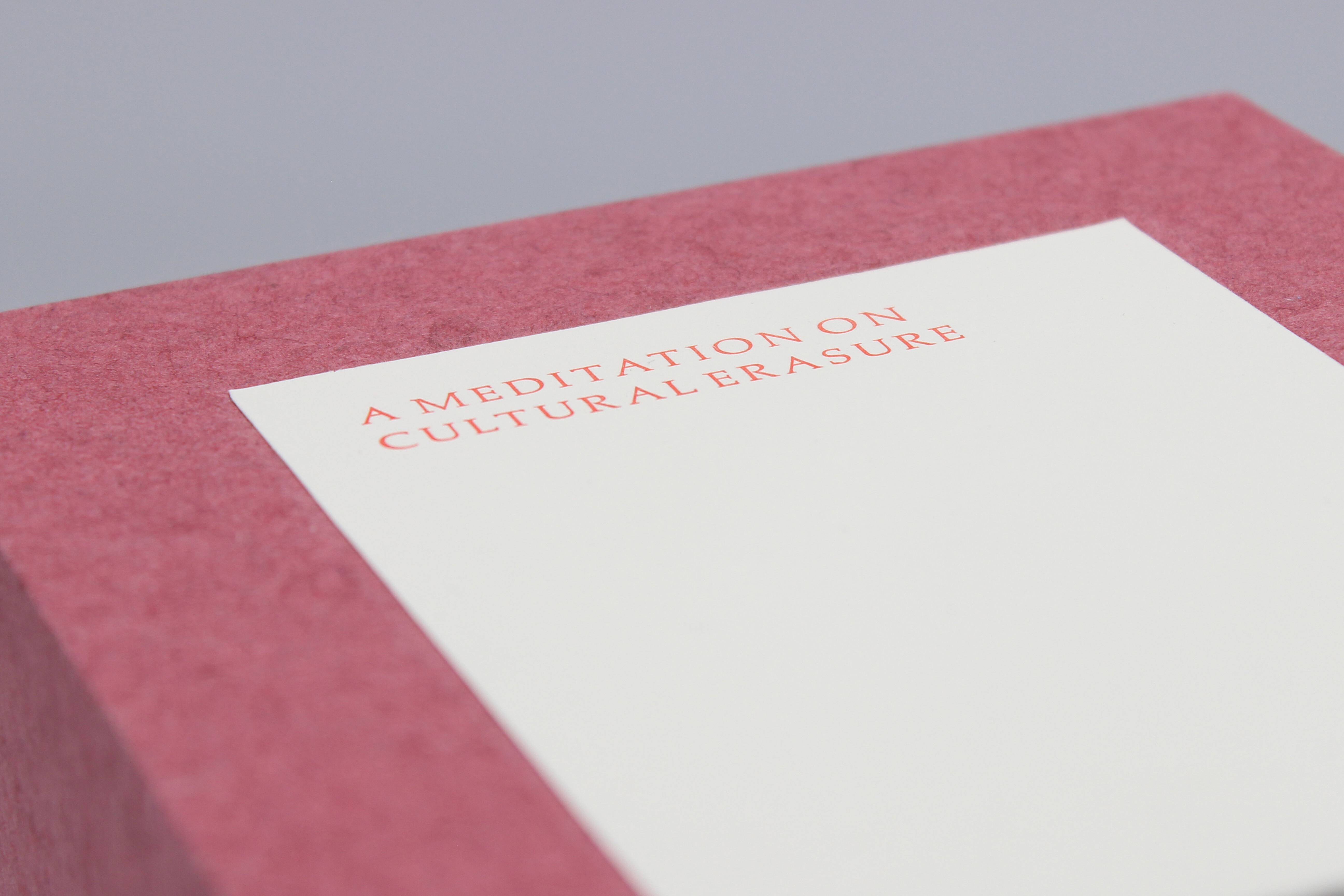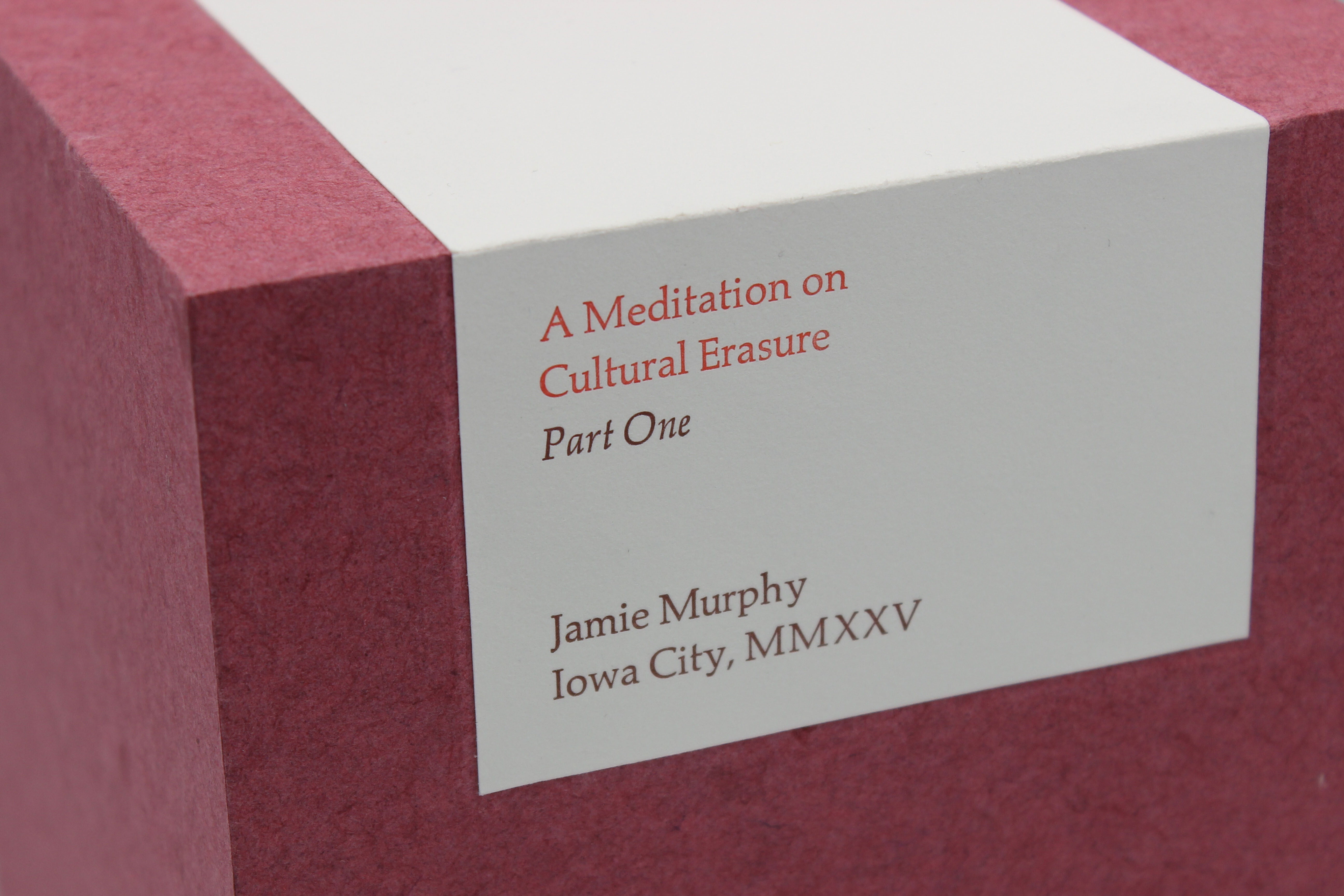
While researching for an upcoming book project I've recently been looking into the concept of 'the sanctity of the library'. What does it mean to collect and preserve the culture of a people, the events of an era or the physicality of a place? What does it mean when these collections are lost or decay over time? What does it mean when they are attacked or for a variety of reasons, rewritten or purposefully eradicated? What is culture, and what does it mean for it to have existed at all? This research theme developed in the wake of a number of recent events that caught my attention – the deliberate destruction of universities and cultural archives in Gaza (ongoing), the dismissal of the Librarian of Congress (2025), and the extensive cyber attack on the British Library (2023).
From September to December 2025 I spent three months as a Fulbright Visiting Scholar at the University of Iowa Center for the Book. My research at UICB was focused on pedagogical approaches to progressive artist book-making which brought me into contact with the majority of classes on offer during their fall term; Western Paper-Making, Book Binding, Letterpress Printing, Artist Book Seminars, Boxes & Enclosures, Colour & Material Analysis, etc. This fellowship afforded the time and space to approach the idea of the book as an art object from new and interesting vantage points. Access to the Special Collections Library was also a major source of inspiration and it was there that I came into contact with dozens of unfamiliar books, art objects, artifacts and reading materials that expanded my understanding of the history and practice of artist book-making.
While in Iowa I found myself looking into the history of civilisations and cultures once prevalent in the American Mid-West. Native peoples had profound reverence for the natural world and the wildlife that occupied it. In my work I'm also interested in the use of found and natural materials. I was particularly taken by a 19th century Stereographic image showing a Sioux warrior's totems scribed onto his shield made of buffalo neck. The subject in this case protected by the toughest part of the animal's hide in combination with the visual language of the pictogram. Similarly, the earliest symbolic ostrich egg artworks appear around 60,000 years ago in what is present day South Africa. During the Iron and Bronze ages they were highly decorative and traded all around the Mediterranean. Ostriches were first brought to the Americas from South Africa in the early 1880s, specifically to the United States for the purpose of establishing a commercial ostrich feather industry. I acquired my eggs over the course of several Saturdays from a local ostrich farmer at the Iowa City Farmers Market.
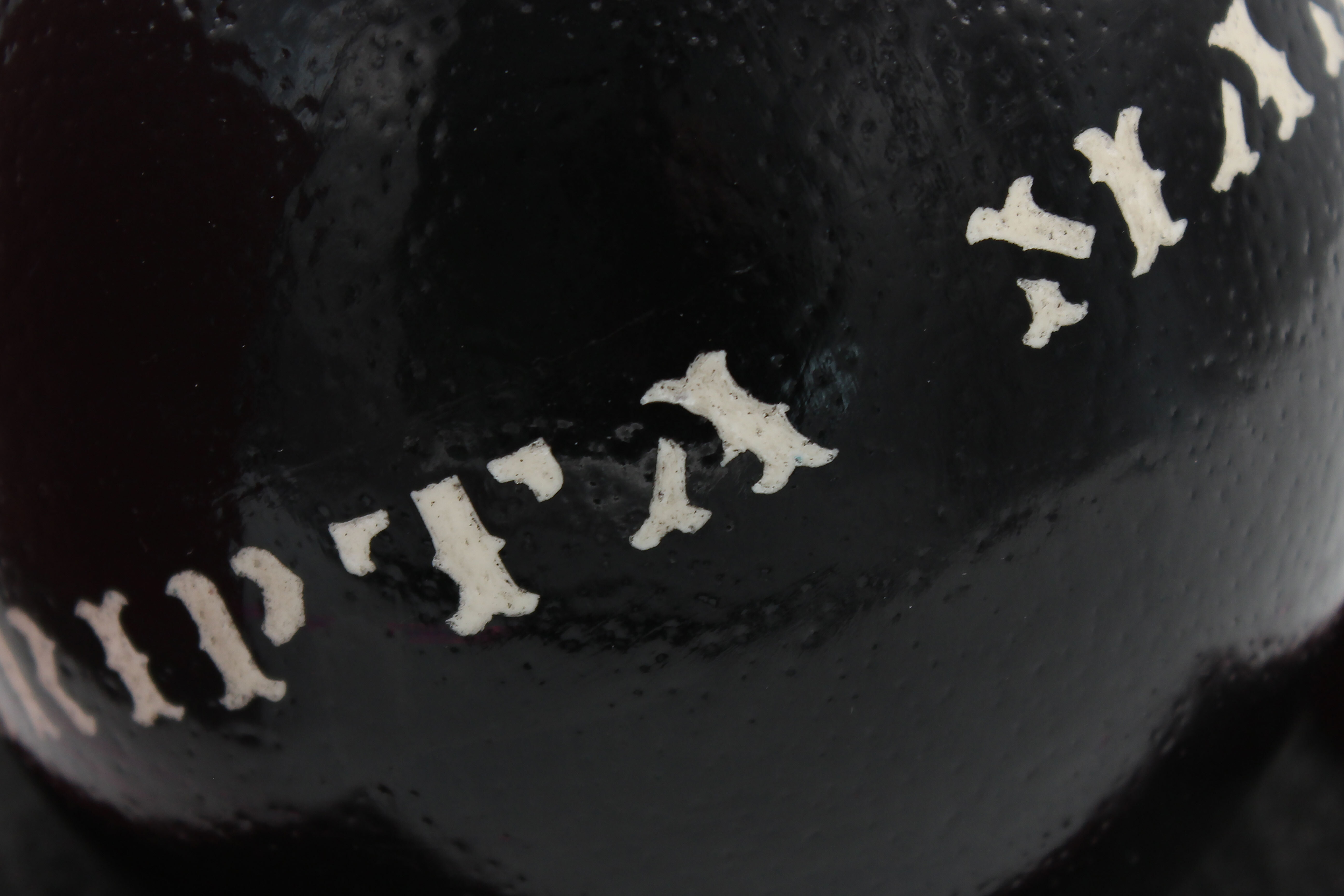
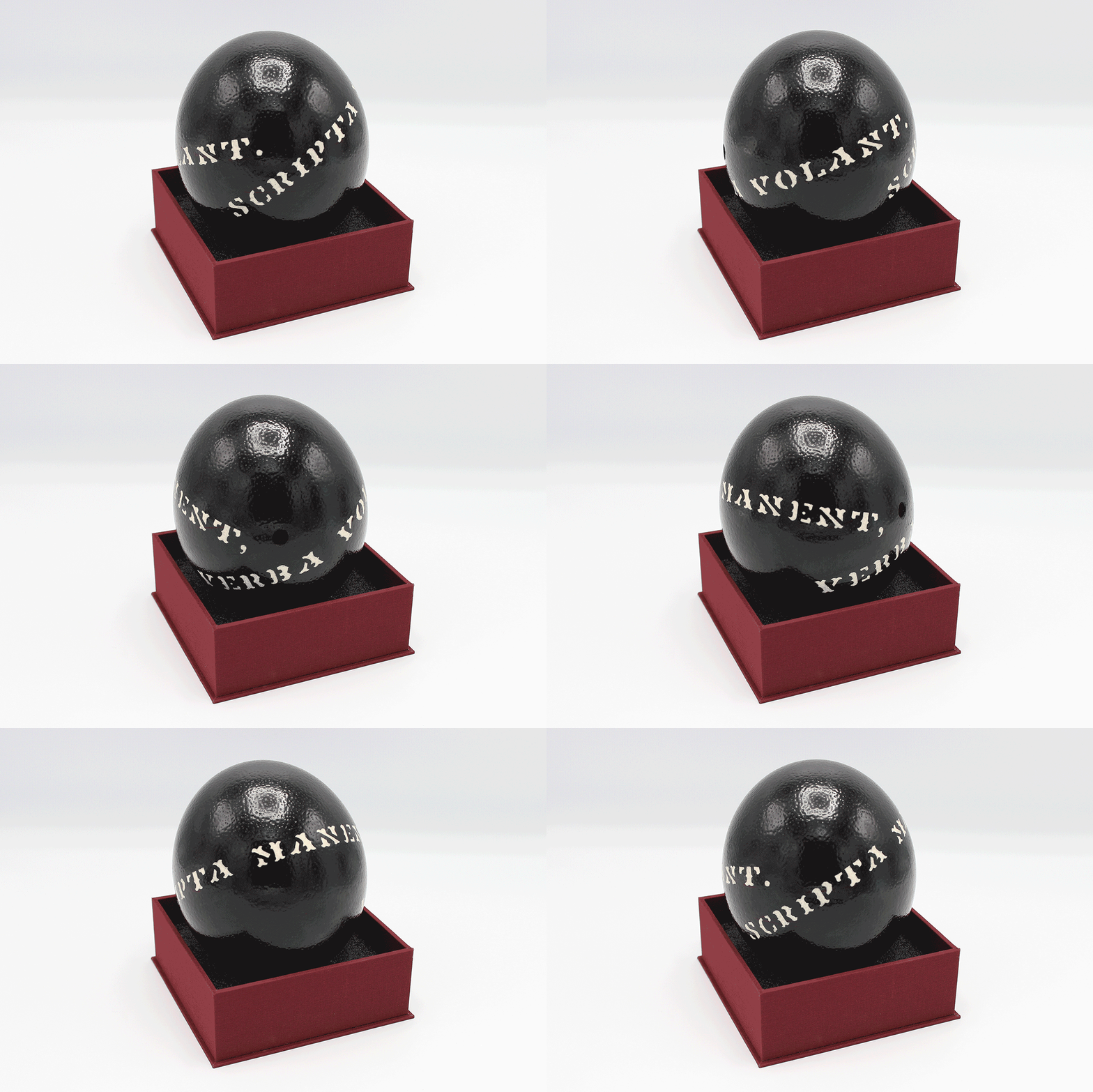
I was first interested in working with this natural medium because of its intrinsic associations with migration-culture, agri-culture, industry and in turn, colonisation. The ostrich is, after all, an African animal brought to the Americas as a commercial entity and to me it perfectly represents the idea of cultural erasure. Inspired in no small part by ostrich egg works produced by artists and previous collaborators Alice Maher (Nine Silences and Memento Civitatem) and Dorothy Cross (Darklight), and by the Sioux warrior's shield, I wanted to embellish the surface of the egg with meaning beyond the materiality of the object itself. At UICB I had been printing Latin maxims relating to the larger idea of cultural loss and the importance of libraries / archives and it felt fitting to now engrave these texts onto the surface of the eggs; Bibliotheca est thesaurus omnium divitiarum – the library is the treasury of all wealth, scripta manent, verba volant – written words remain, spoken words fly away, bibliotheca animae domicilium – the library is the dwelling of the soul, silentium bibliothecae pax est animarum – the silence of the library is the peace of souls, ex libris sacrae thecae, non auferetur – from the sacred chest, let it not be taken away.
The type was hand cut using a powered engraving tool through a 1950s cardboard stencil kit I picked up at a favourite local vintage store specialising in all kinds of Americana, the Tuscan type design to me representing the late 19th century American typographic style.